
What Are Dental Crowns?
A dental crown — often called a “cap” — is a custom-made covering that fits snugly over an existing tooth, completely encasing it from the gumline up. At Smile Art Dental, our crowns are precisely crafted to restore the original shape, size, strength, and appearance of teeth that have been weakened, damaged, or cosmetically compromised. Whether your tooth has suffered from decay, fracture, or discoloration, a crown can give it a second lease of life.
We offer a comprehensive range of crown materials to suit every need and budget. Porcelain crowns deliver the most natural-looking results, blending seamlessly with surrounding teeth. Porcelain-fused-to-metal (PFM) crowns combine the beauty of porcelain with added structural strength. For patients requiring maximum durability — particularly on back molars — our zirconia crowns offer unmatched strength and a surprisingly natural aesthetic.
Every crown we place at Smile Art Dental is individually designed to achieve a perfect bite, natural contour, and an exact shade match. Our experienced team works with leading dental laboratories to ensure each restoration meets the highest standards of craftsmanship, giving you a result that looks, feels, and functions like your natural tooth.
- Porcelain Crowns — Most natural-looking results
- Porcelain-Fused-to-Metal (PFM) — Strength & aesthetics combined
- Zirconia Crowns — Maximum strength & durability
- Temporary Crowns — Protection while your permanent crown is crafted
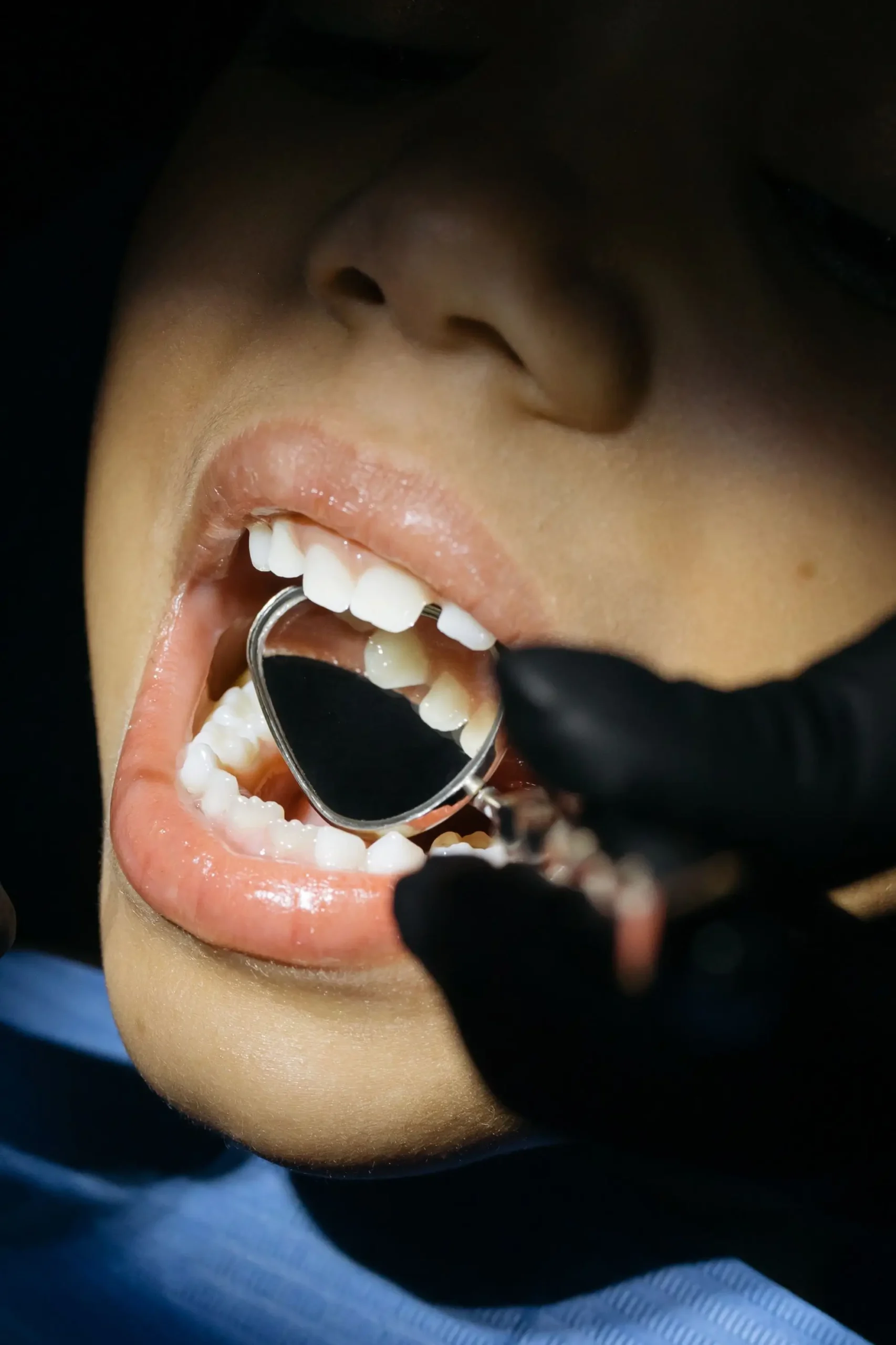
Why Choose Crowns
The Benefits of Dental Crowns
Restores Full Tooth Function
A crown brings back complete biting and chewing ability to a damaged or weakened tooth, allowing you to eat all your favourite foods confidently and comfortably.
Natural Appearance
Our porcelain and zirconia crowns are shade-matched to your surrounding teeth, making the restoration virtually indistinguishable from your natural smile.
Protects Weakened Teeth
Crowns encircle cracked, heavily filled, or root-canal-treated teeth, preventing further fracture and protecting the remaining natural tooth structure.
Covers Discoloured Teeth
Severely stained or discoloured teeth that don't respond to whitening can be completely transformed with a natural-looking porcelain crown.
Long-Lasting — 10 to 15+ Years
With proper oral hygiene and regular check-ups, a well-placed dental crown can last a decade or more, making it an excellent long-term investment in your smile.
The Process
Your Crown Procedure — Step by Step
Our streamlined, patient-focused process ensures your crown is placed with precision and comfort from start to finish.
1. Examination & X-Ray
Our dentist thoroughly examines the affected tooth and takes digital X-rays to assess the extent of damage, root health, and surrounding bone — ensuring a crown is the best treatment option for you.
2. Tooth Preparation & Shaping
Under comfortable local anaesthesia, the tooth is carefully shaped on all sides to create the ideal space for the crown to fit precisely over it without altering your bite.
3. Impression / Digital Scan
A precise impression or digital scan of your prepared tooth and bite is taken. This accurate record is sent to our specialist dental laboratory to fabricate your custom crown.
4. Temporary Crown Placement
A protective temporary crown is fitted over your prepared tooth while the permanent restoration is being crafted in the laboratory — keeping you comfortable and functional throughout.
5. Laboratory Fabrication
Skilled dental technicians at our partner laboratory craft your crown from the finest materials, meticulously matching the shape, contour, and shade of your natural teeth.
6. Permanent Crown Fitting & Bonding
Your finished crown is tried in, checked for fit, bite, and aesthetics. Once you're happy with the result, it is permanently bonded into place for a secure, lasting restoration.
F.A.Q.
Frequently Asked Questions About Dental Crowns
With proper oral hygiene and regular dental check-ups, a well-made dental crown typically lasts between 10 and 15 years — and in many cases significantly longer. The lifespan depends on the material used (zirconia tends to last longest), the location of the crown in the mouth, and how well you care for it. Avoiding habits like grinding your teeth, biting hard objects, or chewing ice will help maximise the life of your crown.
The crown procedure is performed under local anaesthesia, so you should feel no pain during tooth preparation. Most patients are pleasantly surprised by how comfortable the process is. You may experience some sensitivity and mild soreness for a day or two after the appointment — this is completely normal and typically resolves quickly with over-the-counter pain relief. Our team will ensure you are well informed and comfortable at every stage.
There is absolutely no difference — “crown” and “cap” are two terms for exactly the same dental restoration. “Crown” is the clinical term used by dental professionals, while “cap” is the informal, colloquial name that many patients use. Both refer to the custom-made covering that fits completely over a damaged or weakened tooth above the gumline, restoring its function and appearance.
Yes — once your permanent crown is fully bonded and you have adjusted to it (usually within a day or two), you can eat normally. While wearing a temporary crown, we advise avoiding very sticky foods like toffee and very hard foods that could dislodge it. With your permanent crown in place, you will be able to enjoy your full diet. It is however always sensible to avoid extreme habits like opening bottle caps with your teeth regardless of whether you have a crown or not.
A dental filling is generally sufficient when only a small to moderate portion of the tooth has been affected by decay or damage — the remaining tooth structure is healthy enough to support the filling. A crown is recommended when the tooth has been significantly weakened, has a very large filling (covering more than half the tooth), has undergone root canal treatment, has cracked or fractured, or when a cosmetic improvement of the entire visible tooth surface is desired. Our dentist will always recommend the most conservative treatment appropriate for your specific situation.