
What Is Gum Disease Treatment?
Gum disease — also known as periodontal disease — is an infection of the tissues that hold your teeth in place. It ranges from early-stage gingivitis (inflammation of the gums) to advanced periodontitis, where the infection destroys the bone and connective tissue that support the teeth. Gum disease is the leading cause of tooth loss in adults, yet it is largely preventable and, when caught early, highly treatable.
At Smile Art Dental, our comprehensive periodontal treatment programme addresses every stage of gum disease with evidence-based, clinically proven protocols. For early gingivitis, a thorough professional cleaning and improved home care is often all that is needed. More advanced cases require deep cleaning — known as scaling and root planing — which cleans below the gumline to remove the bacterial deposits driving infection. In severe cases, antibiotic therapy, gum surgery, or bone grafting may be recommended, and we guide you through every option with clarity and care.
Beyond treating the disease itself, we place great emphasis on long-term maintenance. Once gum disease is stabilised, a personalised maintenance programme — with more frequent monitoring appointments — ensures it does not return. Healthy gums are the foundation of a healthy smile, and we are committed to helping you preserve that foundation for life.
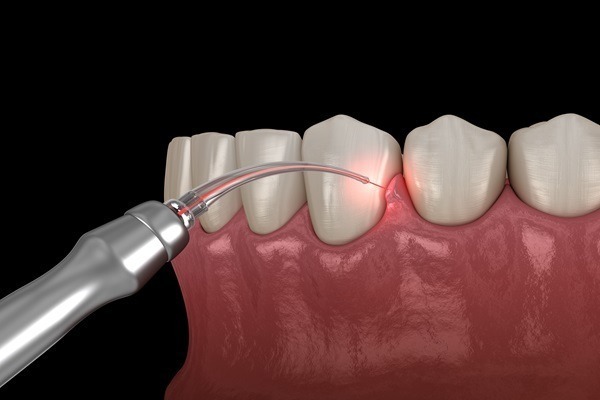
Why It Matters
The Benefits of Gum Disease Treatment
Stops Disease Progression
Early and effective treatment halts the destructive progression of gum disease, preventing it from advancing to more severe stages that are harder and more costly to treat.
Prevents Tooth Loss
Gum disease is the primary cause of adult tooth loss. Timely treatment preserves the bone and tissue that anchor your teeth, protecting your natural smile for the long term.
Reduces Inflammation and Bleeding
Treatment quickly resolves the uncomfortable symptoms of gum disease — swollen, red, bleeding gums — restoring healthy, firm, pink gum tissue.
Improves Overall Health
Research has firmly established links between gum disease and systemic conditions including heart disease, diabetes, and stroke. Treating gum disease can have genuine, measurable benefits for your general health.
Freshens Breath
The bacteria responsible for gum disease are also a major cause of chronic bad breath. Effective periodontal treatment eliminates the source of the odour for lasting fresh breath.
Personalised Treatment Protocol
Every patient's gum disease is different. We create a tailored treatment and maintenance plan based on the specific stage, severity, and individual factors of your condition.
The Process
What Happens During Gum Disease Treatment
A systematic, evidence-based approach to diagnosing and treating gum disease at every stage.
1. Periodontal Assessment & Probing
We perform a comprehensive periodontal examination, measuring the depth of the pockets between your teeth and gums at six points around each tooth to accurately assess the extent of disease.
2. X-Rays & Diagnosis Staging
Digital X-rays assess bone levels around all teeth. Combined with clinical measurements, we stage and grade your gum disease to guide the most appropriate treatment plan.
3. Scaling & Root Planing
Under local anaesthesia, we thoroughly clean below the gumline, removing bacterial deposits and smoothing root surfaces to allow gum tissue to heal and reattach to the teeth.
4. Antibiotic Therapy
Where indicated, localised or systemic antibiotic therapy is used to target persistent bacteria in periodontal pockets, enhancing the effectiveness of the mechanical treatment.
5. Reassessment
Several weeks after initial treatment, we reassess your gum health — measuring pocket depths and evaluating healing to determine whether further treatment is required or if maintenance can begin.
6. Maintenance Programme
A personalised maintenance schedule — typically every 3 to 4 months — ensures your gum disease remains under control, monitoring for any signs of recurrence and maintaining your long-term oral health.
Frequently Asked Questions
The warning signs of gum disease include: gums that bleed when you brush or floss; red, swollen, or tender gums; persistent bad breath that doesn’t resolve with brushing; gums that appear to be pulling away from the teeth (recession); teeth that feel loose or have shifted position; pain when chewing; and visible pus around the gums or teeth. It is important to note that gum disease is often painless in its early stages, which is why regular dental check-ups are so important for early detection. If you notice any of these symptoms, please contact us promptly.
Yes — gum disease is absolutely treatable, particularly when caught early. Gingivitis (the earliest stage) is completely reversible with a professional cleaning and improved home oral hygiene. More advanced periodontitis can be effectively controlled and stabilised with deep cleaning (scaling and root planing), antibiotic therapy, and ongoing maintenance — though any bone loss that has already occurred cannot be fully reversed. With the right treatment and commitment to a good maintenance programme, the vast majority of patients achieve stable, healthy gum health.
Yes — gum disease is the leading cause of tooth loss in adults worldwide. As periodontitis progresses, the infection destroys the bone and connective tissue fibres that anchor your teeth in the jaw. This causes teeth to become loose and, ultimately, to require extraction. This is why prompt treatment is so important — the earlier gum disease is diagnosed and treated, the more tooth structure can be preserved. With timely intervention and proper maintenance, tooth loss from gum disease is largely preventable.
Extensive research has established strong associations between periodontal disease and several systemic health conditions. The chronic inflammation and bacterial load from gum disease can enter the bloodstream and contribute to cardiovascular disease, type 2 diabetes (and make blood sugar harder to control), adverse pregnancy outcomes (preterm birth, low birth weight), respiratory disease, and certain other conditions. This bidirectional relationship between oral and systemic health underlines why treating gum disease is important not just for your mouth, but for your overall wellbeing.
The duration of treatment depends on the severity of the disease. Mild gingivitis may be resolved in one or two appointments. Moderate to advanced periodontitis typically requires two to four deep cleaning sessions (often treating one quadrant of the mouth per appointment), followed by a reassessment visit 6 to 8 weeks later. Surgical procedures, if needed, are separate appointments. Following active treatment, long-term maintenance appointments every 3 to 4 months form an ongoing part of the programme to keep your gum disease under control.