
What Is Professional Dental Cleaning?
Professional dental cleaning — also known as prophylaxis — is one of the most important and effective things you can do for your oral health. No matter how diligently you brush and floss at home, over time plaque and mineral deposits (tartar/calculus) accumulate on your teeth and along the gumline in areas that a toothbrush simply cannot reach. At Smile Art Dental, our skilled hygienists and dentists use specialised instruments to thoroughly remove these deposits, leaving your teeth clean, smooth, and polished.
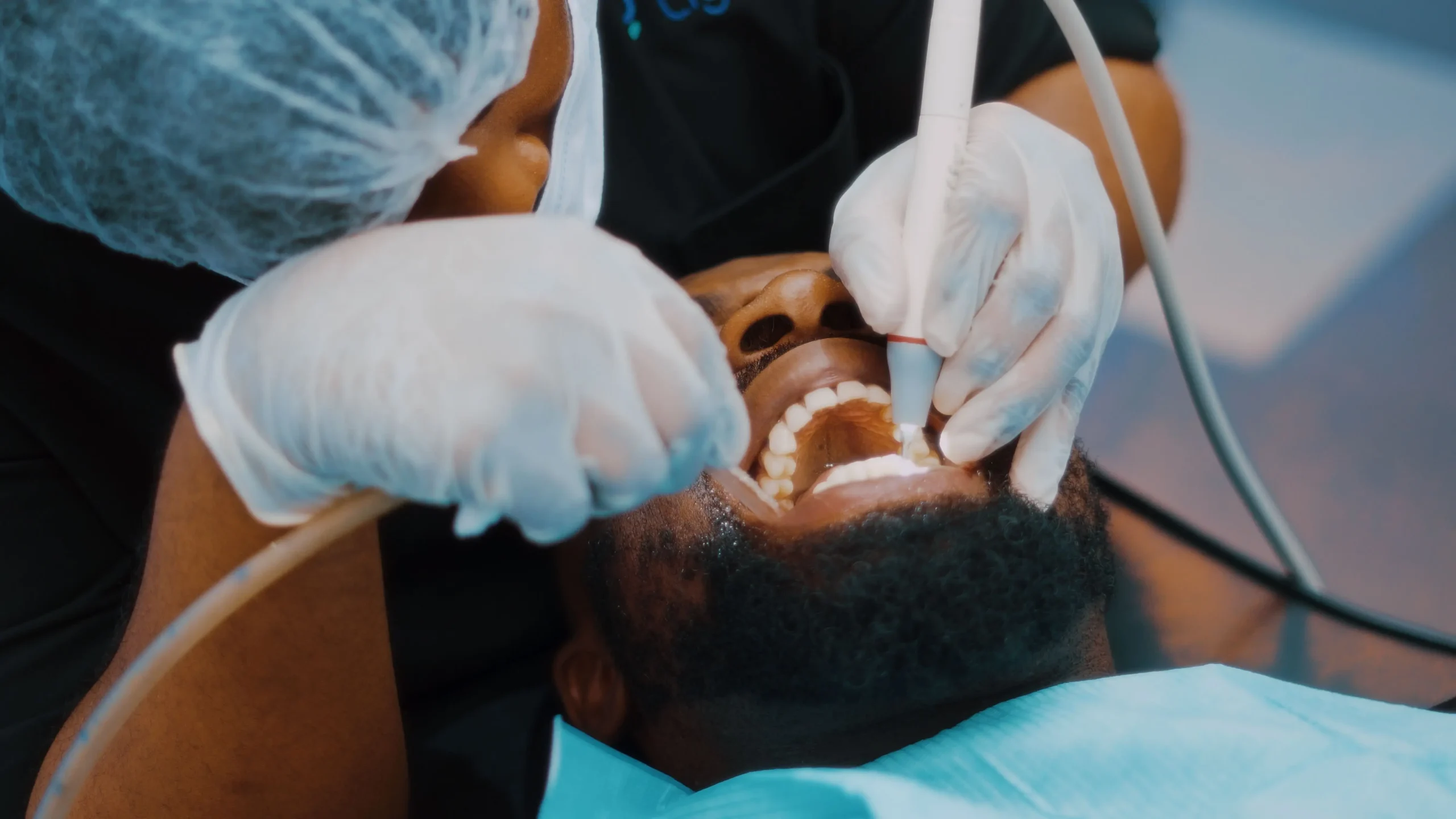
During your cleaning appointment, we go far beyond the routine you can achieve at home. Ultrasonic scaling devices use gentle vibrations to break up and remove stubborn tartar deposits above and below the gumline. Hand instruments are then used to refine the cleaning around each tooth. Professional polishing removes surface stains, leaving your teeth visibly brighter. Finally, a fluoride treatment strengthens your enamel and provides ongoing protection against cavities.
Regular professional cleaning — typically recommended every six months — is the cornerstone of a preventive dental care programme. It protects you from gum disease, prevents cavities, freshens your breath, and keeps your smile looking and feeling its best. Our team also provides personalised oral hygiene instruction during your appointment, so you leave equipped with the knowledge to maintain excellent dental health at home.
Why It Matters
The Benefits of Professional Dental Cleaning
Removes Stubborn Tartar and Plaque
Professional cleaning removes hardened calculus deposits that are impossible to remove with a toothbrush at home — deposits that harbour harmful bacteria and cause disease.
Prevents Gum Disease
Regular removal of plaque and tartar is the single most effective prevention against gingivitis and periodontitis — protecting not just your gums but also the bone that supports your teeth.
Brightens Teeth Naturally
Professional polishing during your cleaning appointment removes surface stains from tea, coffee, and food, leaving your teeth noticeably cleaner and brighter without any bleaching.
Detects Problems Early
Your cleaning appointment includes a thorough examination, allowing us to identify cavities, gum disease, and other concerns early — when they are easiest and most affordable to treat.
Recommended Every 6 Months
Regular six-monthly cleaning appointments maintain your oral health at its peak, prevent the accumulation of damaging deposits, and ensure your smile remains healthy for life.
The Process
What Happens at Your Cleaning Appointment
A thorough, comfortable, and comprehensive cleaning experience from start to finish.
1. Oral Examination
We begin with a full examination of your teeth and gums, checking for any signs of cavities, gum disease, or other concerns before proceeding.
2. Plaque & Tartar Assessment
We assess the extent and location of plaque and tartar deposits, identifying any areas requiring particular attention or deep cleaning.
3. Ultrasonic Scaling
An ultrasonic scaler uses gentle high-frequency vibrations to break up and remove large tartar deposits from tooth surfaces and around the gumline.
4. Hand Scaling
Fine hand instruments are used to carefully remove any remaining deposits and smooth the tooth surfaces, particularly in tight interdental spaces and below the gumline.
5. Polishing & Stain Removal
A specially formulated polishing paste is applied with a rotating brush to remove surface stains and leave your teeth beautifully smooth and gleaming.
Fluoride Application
A fluoride varnish or gel is applied to strengthen tooth enamel, remineralise any weakened areas, and provide lasting protection against future cavities.
Frequently Asked Questions About Dental Cleaning
For most adults with good oral health, we recommend a professional cleaning every six months. However, some patients — particularly those with a history of gum disease, a high risk of cavities, or certain systemic health conditions — may benefit from more frequent visits, such as every three to four months. During your examination, our dentist will assess your individual needs and recommend the ideal cleaning frequency for you.
For most patients, professional dental cleaning is comfortable and pain-free. You may feel mild pressure and vibration from the ultrasonic scaler, and brief sensitivity when instruments are used around the gumline — but this is generally well-tolerated. Patients with sensitive teeth or gum inflammation may experience some temporary discomfort. If you have any concerns, please let us know and we will take extra care to ensure you are comfortable throughout. We can also apply a topical numbing gel to sensitive areas if needed.
Professional cleaning can noticeably brighten your smile by removing surface stains from tea, coffee, red wine, and other foods and drinks. The polishing step in particular removes these external stains, restoring the natural colour of your teeth. However, cleaning is not the same as professional teeth whitening — it won’t change the intrinsic colour of your teeth or lighten them beyond their natural shade. If you are looking for a brighter, whiter smile, we also offer professional whitening treatments as a separate service.
Dental cleaning (prophylaxis) is a preventive health procedure that removes plaque, tartar, and surface stains to maintain your oral health. It restores your teeth to their natural colour by removing external staining. Professional teeth whitening, on the other hand, uses a bleaching agent to chemically lighten the internal colour of the tooth structure, making your teeth whiter than their natural shade. The two treatments complement each other well — a cleaning before whitening actually makes the whitening more effective by ensuring the bleaching agent can reach all tooth surfaces evenly.
Deep cleaning — also known as scaling and root planing — is a more intensive procedure recommended when gum disease (periodontitis) has caused tartar to build up below the gumline on the root surfaces of teeth. Unlike regular cleaning, which focuses on the crown of the tooth and just below the gumline, deep cleaning reaches further below the gum to clean the root surfaces and remove the bacterial deposits driving gum inflammation. It is performed under local anaesthesia for comfort and is the first-line treatment for moderate to advanced gum disease. Your dentist will recommend deep cleaning if your examination reveals the need for it.